The market for inbound tourism (bounce) continues to expand rapidly, with some projections*1 suggesting it will grow into a 15 trillion yen industry by 2030. Following the COVID-19 pandemic, the sector is already showing signs of surpassing 2019 levels by 2025, and the sports industry is also taking on the enormous potential of attracting visitors from overseas.
When it comes to attending professional baseball events, “language,” “payment,” and “ticket issuance” have historically been major hurdles for international tourists visiting Japan. How can these challenges be resolved, and how can sports tourism be steered toward a medium- to long-term future?
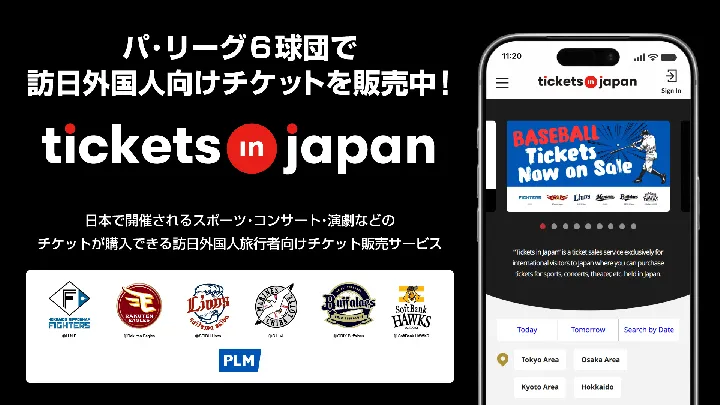
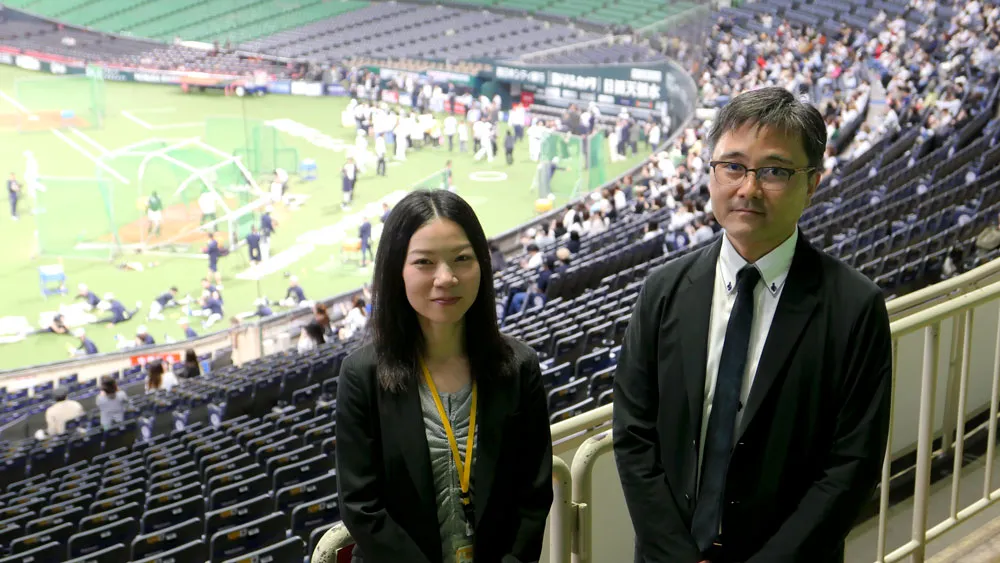
We speak with Yoshitoyo Sonoda of Tickets in Japan Co., Ltd.—which handles ticket sales for live entertainment and sports events (bounce) and sells tickets to international tourists for the six teams in the Pacific League—and Shibin Ko, who is responsible for attracting international visitors at Fukuoka Softbank Hawks. Through their conversation, we explore the cutting edge of the ever-evolving sports industry (bounce).
*1 Based on the tourism spending target set in the “Tourism Vision to Support Japan’s Future” published by the Japan National Tourism Organization in 2016.
Why are baseball tickets for foreign visitors to Japan so difficult to buy?
—First, could you tell us what prompted you to launch Tickets in Japan and what its features are?
Sonoda: The parent company of Tickets in Japan Co., Ltd. is an American company, and based on the previous experiences of its members, there were comments that "it is difficult to buy tickets for live concerts and baseball in Japan."
I originally worked in the live entertainment industry, but back then, bounce wasn't as popular as it is now. Rather, when it comes to overseas expansion in the entertainment field, the mainstream has been what's known as a "world tour," where Japanese artists perform in South Korea, Taiwan, Hong Kong, the United States, and other countries. I was involved in a Japanese artist's performance in Taiwan back then, and I still think that the power of Japanese live entertainment is incredible!
Currently, with the increasing number of foreign tourists visiting Japan and the rapid development of facilities and tourist destinations to accommodate them, we recognize that there is also a strong demand for domestic live entertainment and sports. Based on the experiences of our overseas members and the rapid increase bounce demand, we launched Tickets in Japan Co., Ltd. in 2026 as a ticket sales company bounce.
--You mentioned that it's difficult to buy tickets in Japan. With various phases involved, from "ticket search" to "payment" and "issuance," what do you think are the obstacles?
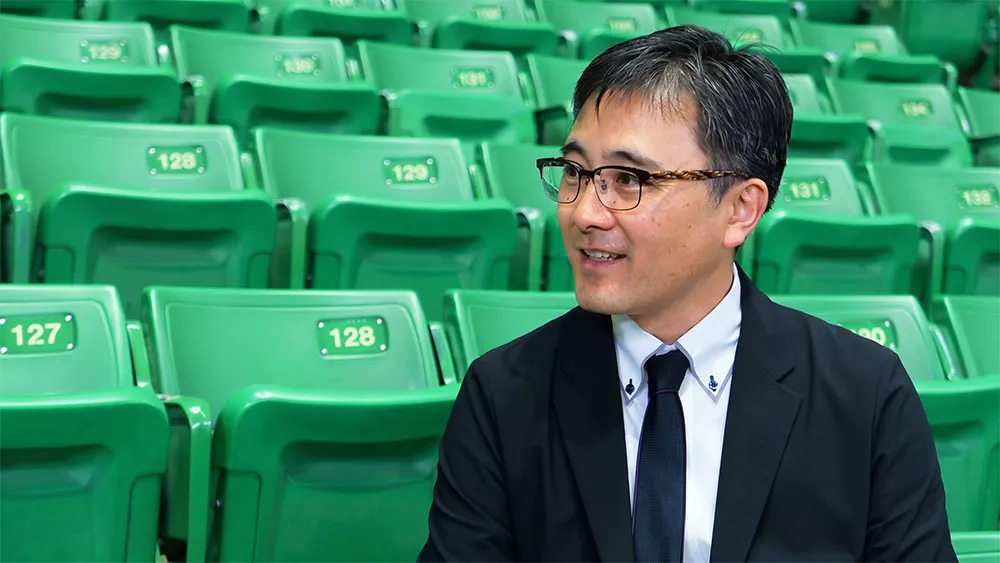
Sonoda: First of all, when people living abroad try to buy tickets for Japan, if they use automatic translation on various Japanese websites and proceed with the purchase using the traditional procedures for Japanese people, there are many required fields of information specific to Japan, and as a result, they are unable to register or purchase tickets. So, with Tickets in Japan, we have tried to remove as many hurdles as possible for foreign tourists visiting Japan, except for the required fields. For example, in the case of address, it is not necessary to enter the entire address, and purchases can be made by registering only the country of residence*2.
The biggest obstacles to operating the service are developing privacy policies that comply with the different personal data protection laws in each country, handling international payments, providing multilingual customer support, and implementing electronic tickets specifically for overseas users. Covering all of these functions requires significant costs and fully dedicated features, which is a major burden. We decided to focus our operations on addressing these specific challenges.
*2: Registration requires obtaining at least the necessary information, such as an email address.
—Specifically, what kind of system did you build?
Sonoda: As I mentioned earlier, simply building a service for Japanese users and then translating it into multiple languages won't resonate with overseas users. For example, concert rules and sports viewing rules differ from country to country, so what's common sense in Japan might not be the case in other countries. We felt that we needed an overseas-specific electronic ticket that would highlight the uniquely Japanese rules—for example, "no photography" and "no re-entry" at concerts, and "no viewing outside of designated seats" at baseball—using intuitive icons that can be understood without reading the text. We also had many other things to consider, such as providing our own multilingual customer support within the service so that organizers wouldn't need to set up their own multilingual inquiry desks.
Furu-san: Overseas users tend to act based on "how-to videos on purchasing" on social media rather than text-based terms and conditions. Sonoda-san also mentioned that they "translate their unique terms and conditions into intuitive icons to raise awareness," and The Hawks have also opened official social media accounts (Instagram/Facebook) for Taiwan this year and started providing video guidance on the purchasing process. However, questions and problems don't go to center fielder, but are sent directly to the comments section or DMs on social media. We need to work with Tickets in Japan to optimize our approach to these unique overseas behavioral patterns, and this will be a challenge for us going forward.
Everyday life: "Just a short trip to Fukuoka" from Taiwan or South Korea
--What is your impression of the recent bounce demand at The Hawks?
Furu: Over the past two to three years, the number of overseas visitors has definitely increased. Looking at the figures through Tickets in Japan, we have already recorded more than double the performance of last year. Our bounce team is currently focusing its promotions on Taiwan and South Korea, where there is a very high level of enthusiasm baseball and many direct flights. In Taiwan in particular, an unprecedented baseball boom has occurred since the team won the "Premier12" in 2024, and we feel that this enthusiasm is directly leading to more visitors coming to Japan. Furthermore, pitcher Hsu Jo-Hsi Ruoh-hsi, who played in the Taiwanese professional baseball until last season, transferring to The Hawks, there is now an even greater reason for people to come to MIZUHO PayPay Dome.
—So the influence of "Taiwan's national treasure" has been significant, hasn't it? Fukuoka's location is also an advantage in terms of access from Taiwan.
Furu: That's right. It's only an hour and a half to two hours by plane from Taiwan to Fukuoka. For them, it's exactly the same feeling as going from Tokyo to Fukuoka. In fact, there's been an increase in cases of large-scale viewing tours of around 200 people, and companies visiting the dome as employee trips. Looking at their purchasing behavior, it's clear that they secure tickets two to three months in advance of their trip, and plan their itineraries around the day they're going to watch a game.
—Are fans from overseas simply enjoying the game itself, or are they consuming the Japanese ballpark culture as a whole?
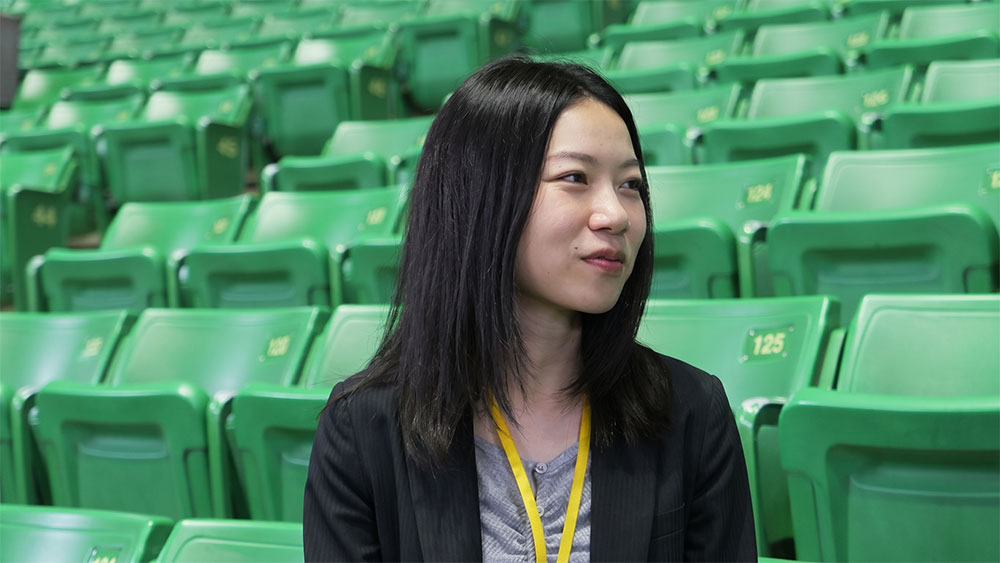
Furu: It's both, but the appreciation for Japan's unique stadium culture is very high. Taiwanese stadiums don't have enough food and beverage vendors to fill the concourse like MIZUHO PayPay Dome. Therefore, the experience of "stadium gourmet" and "buying beer from vendors" inside the dome is a fresh and unique attraction that is highly praised on social media. In addition to watching the games, attractions such as the Sadaharu Oh Baseball Museum supported by Hakata Green Hotel and teamLab Forest Fukuoka - SBI Securities, located in the adjacent BOSS E・ZO FUKUOKA, are also popular, creating a complex tourism experience centered around baseball.
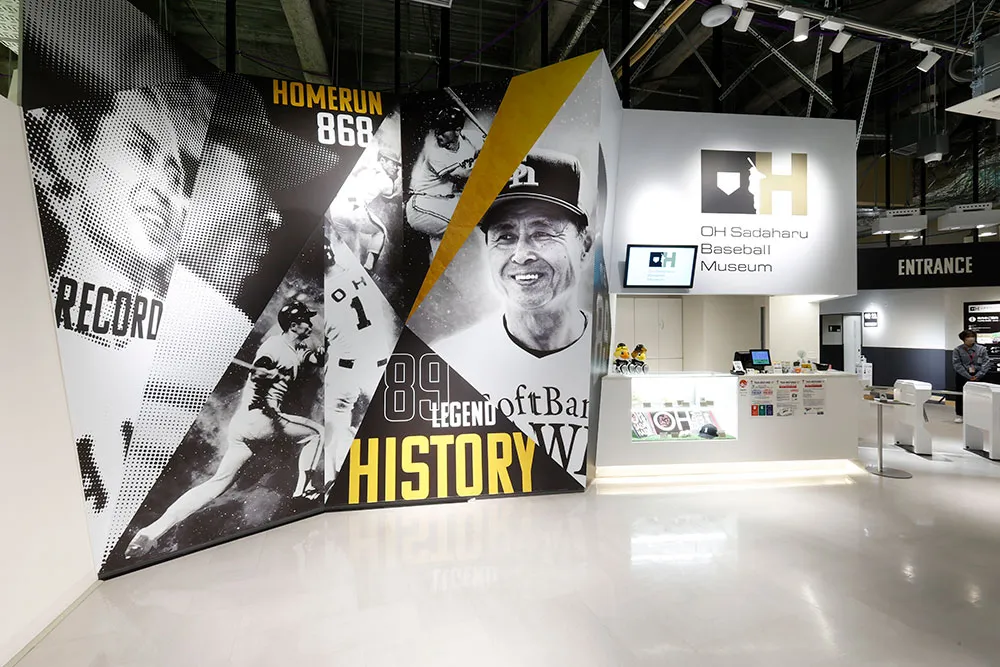
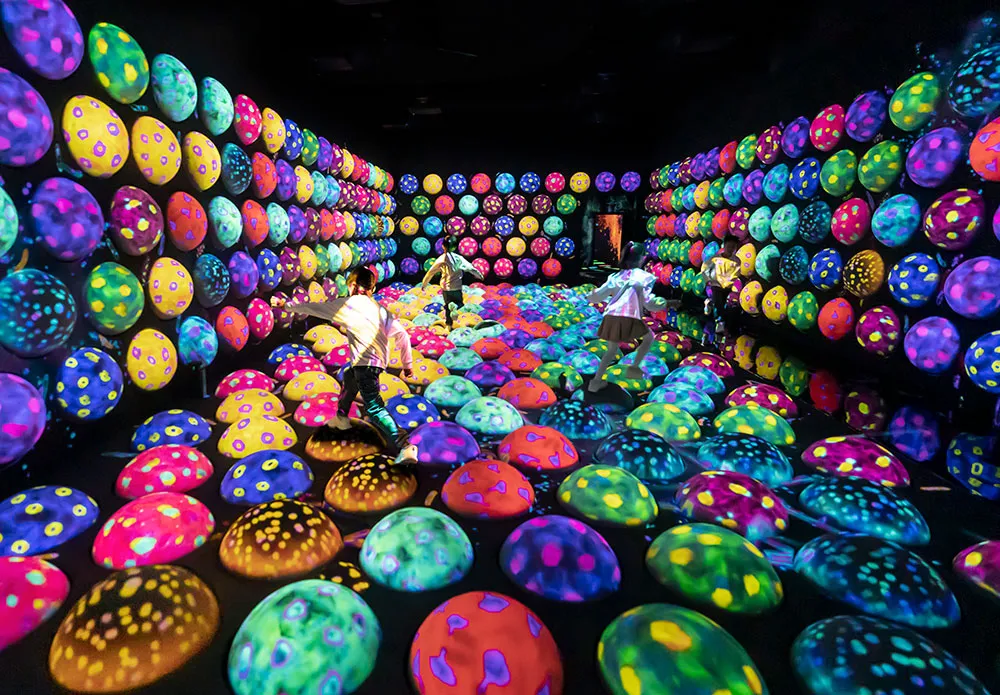
—Currently, which countries have the most users?
Sonoda: Looking at the data, the vast majority of The Hawks' current users are in Taiwan, accounting for about 50% of the total. What's interesting is that the second largest group is the United States, and the third is Australia, meaning that people in Europe and North America are the ones who purchase our products.
—Why is America the second most popular choice?
Furu: I suspect that the large number of users from the United States is likely due to people living in Sasebo and other areas with U.S. military bases, who come to Fukuoka with their families on weekends because it's easily accessible. In terms of gender, about 60% are male, and the age range is mainly between 20s and 40s.
Sonoda: I see, so that's the background. That's very valuable data.
In addition to ticket sales, Tickets in Japan also offers a wealth of content, including articles introducing local tourist attractions. As Mr. Furu mentioned earlier, we have already written and published an article suggesting a visit to BOSS E・ZO FUKUOKA in conjunction with watching a baseball game, so we hope that many foreign tourists visiting Japan, including Americans living in Sasebo and other areas, will take advantage of it.
Furu: I would love for you to consider selling tickets as a set, which includes tickets to watch the game and tickets to enter the exhibitions and activities at BOSS E・ZO FUKUOKA!
Sonoda: That sounds good. Let's consider it!