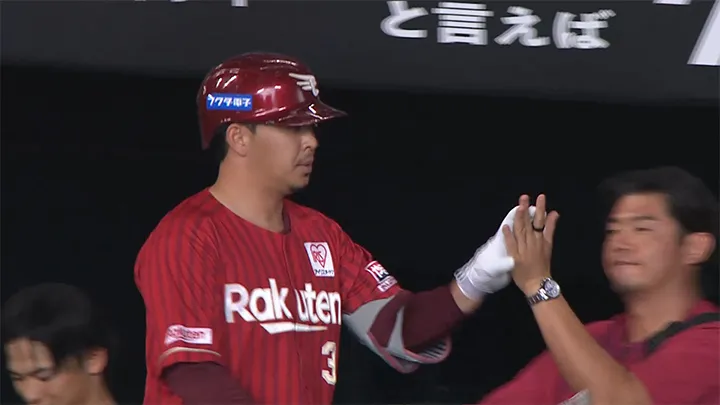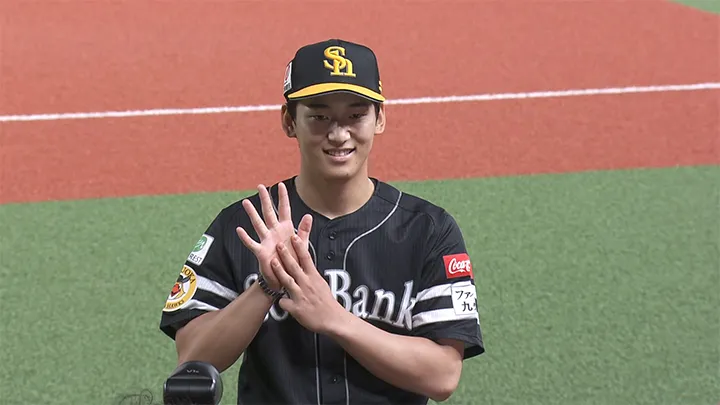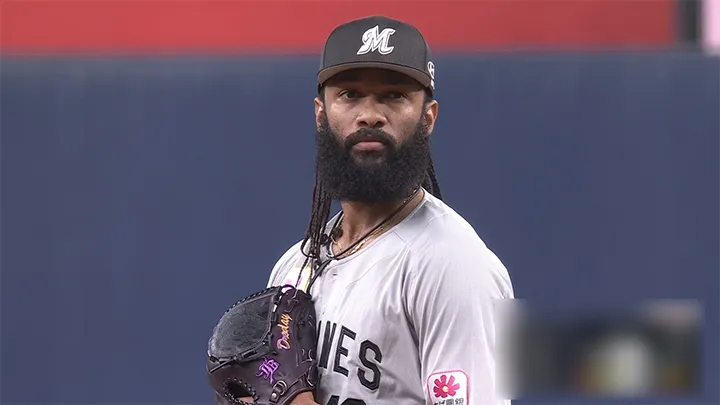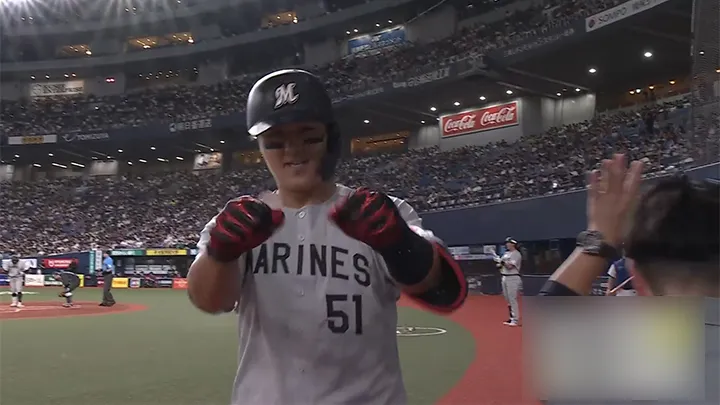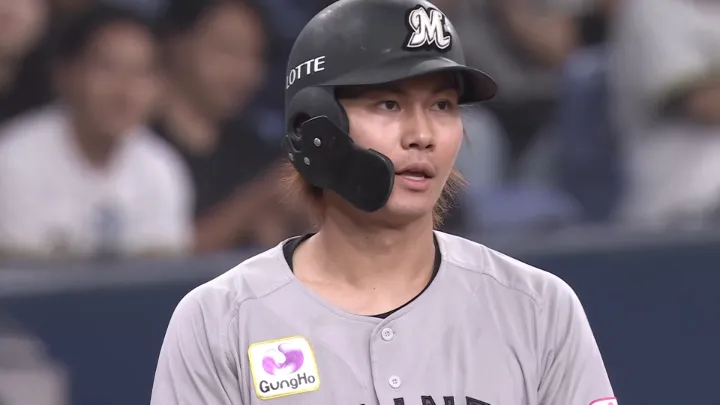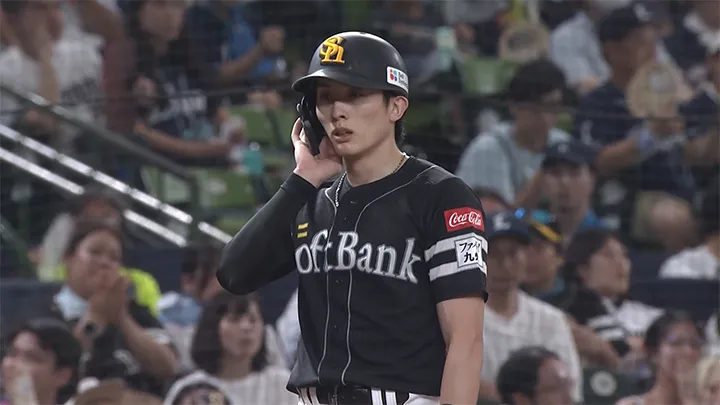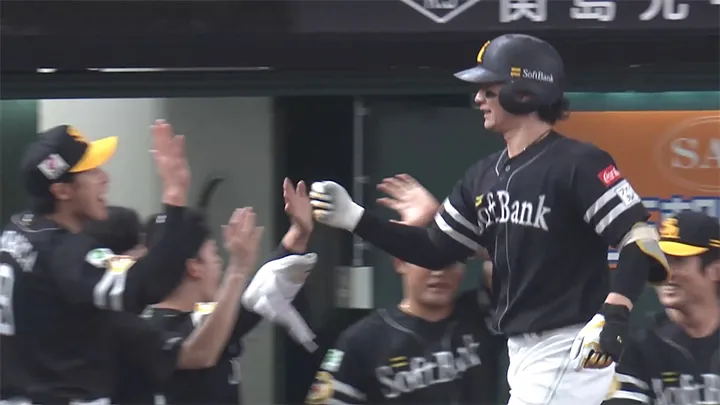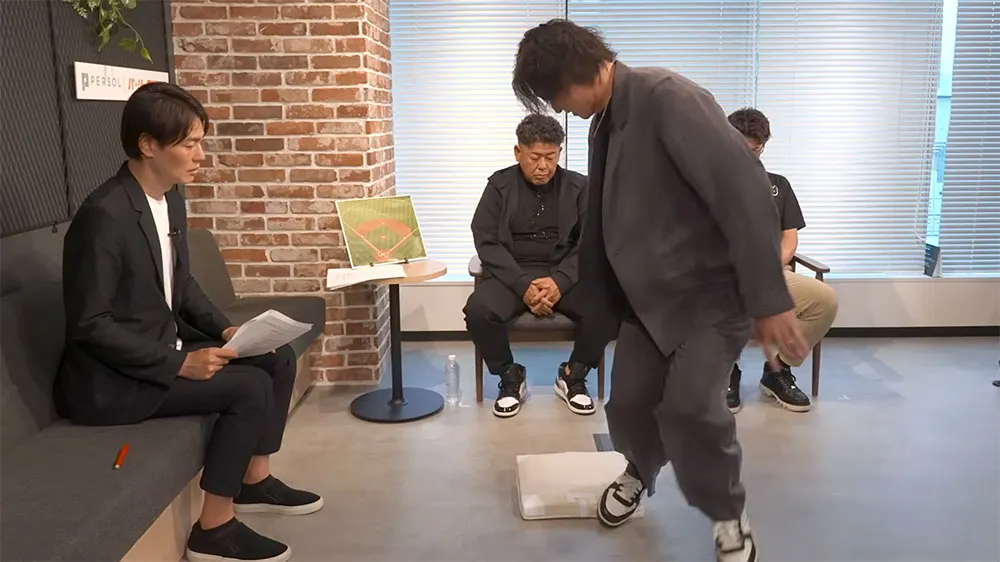
The official Persol Pacific League TV program "P's UPDATE" updates the norms of the baseball world and updates itself as well. This time's theme is the core and most demanding of the infield: "The Philosophy of Position: Third Bases Edition." Guests included Norihiro Nakamura and Toshiaki Imae, legendary third baseman representing the baseball world who have both won the Mitsui Golden Glove Award multiple times.
The truth behind Norihiro Nakamura's "pro wrestler-style" half-body stance
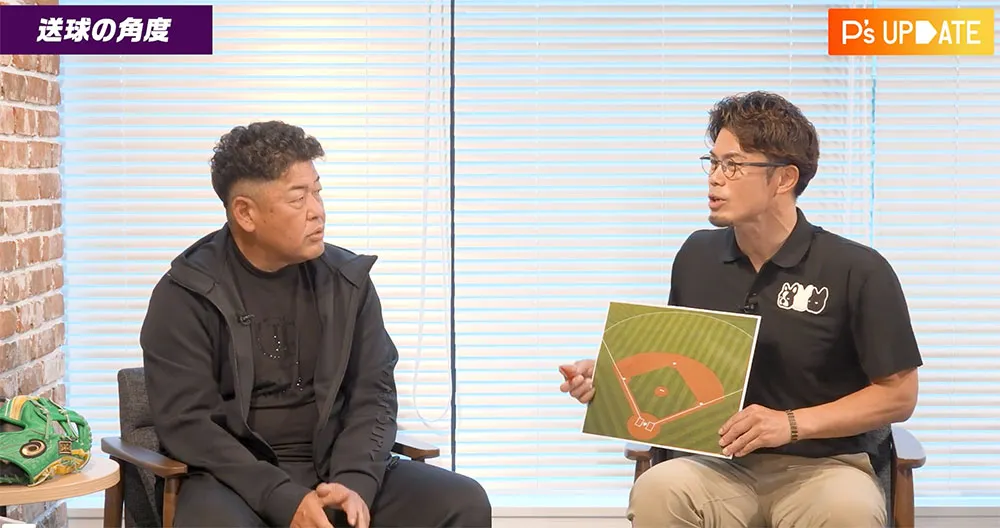
Compared to second baseman and short stop, third base is closer to hitter, and hard-hit balls come at you relentlessly. Both players agree that "the angle of the batted ball makes it difficult to see, and reacting is extremely difficult."
Generally, the basics of defense are said to be "positioning yourself directly in front of hitter," but Imaie, who admired Nakamura during his playing days and used his defense as a reference, recalls the shock he felt at the time.
"Nori-san was completely sideways. He was in a stance just like a professional wrestler."
Influenced by defense stance of stepping back the leg and lowering the hips to land the glove, Imaie also adopted a half-body stance, which made it easier to see the ball's bounce, and he stopped taking a full-frontal stance after that.
In response, Nakamura revealed the intention behind his unique stance. He explained that he didn't always use the same stance, but instead instantly analyzed hitter 's data and swing trajectory, and changed his stance for each pitch, striving to find the stance that would allow him to take the first step most quickly. Imaie was astonished by this situation-adaptive stance.
Is it a position that "ordinary people" can't handle? Third base is a "perverted position."
The way the bounce bounces and the trajectory of the line drive are fundamentally different from other positions. They require extraordinary reaction speed, mental strength to overcome fear, and a unique, unconventional playing style. Regarding this unique third position, the two battle-hardened players concluded that "a third base must be a 'pervert.'" When asked whether he should show his individuality, Imae replied, "It's fine to be a pervert. It's fine to have your own unique qualities."
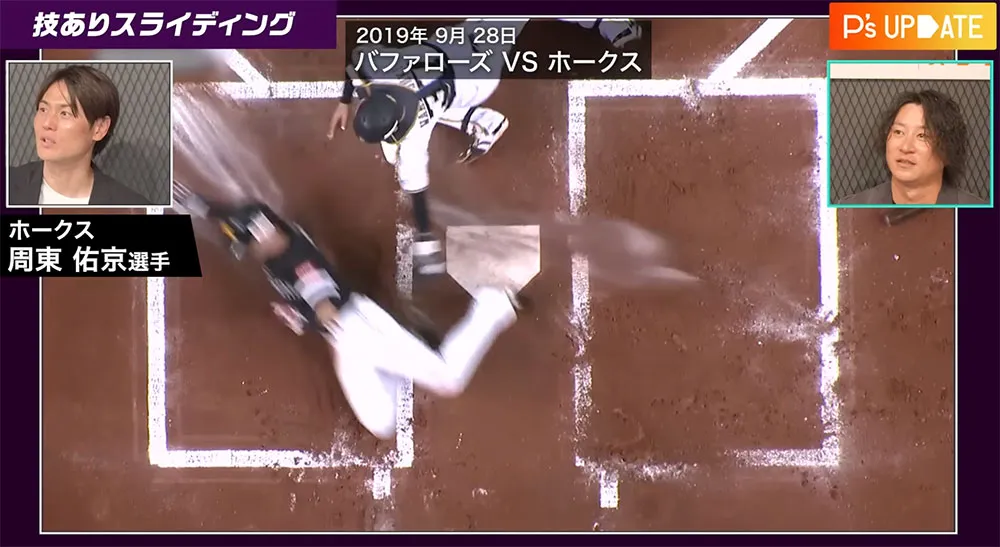
In the latter half of the program, while watching the supreme masterpieces of third base masters Pacific League proudly present, the two provide thorough explanations from a professional perspective. The depth of the third defense, hidden in a fleeting play, such as glove handling and step techniques, is gradually revealed.
And finally, the existence of the "strongest third baser" chosen unanimously by the two who have watched many masters is revealed. Don't miss the deep talk that overturns the concept of defense and baseball fans must see!